
You Don't Have to Blame Your Parents to Heal From Your Childhood
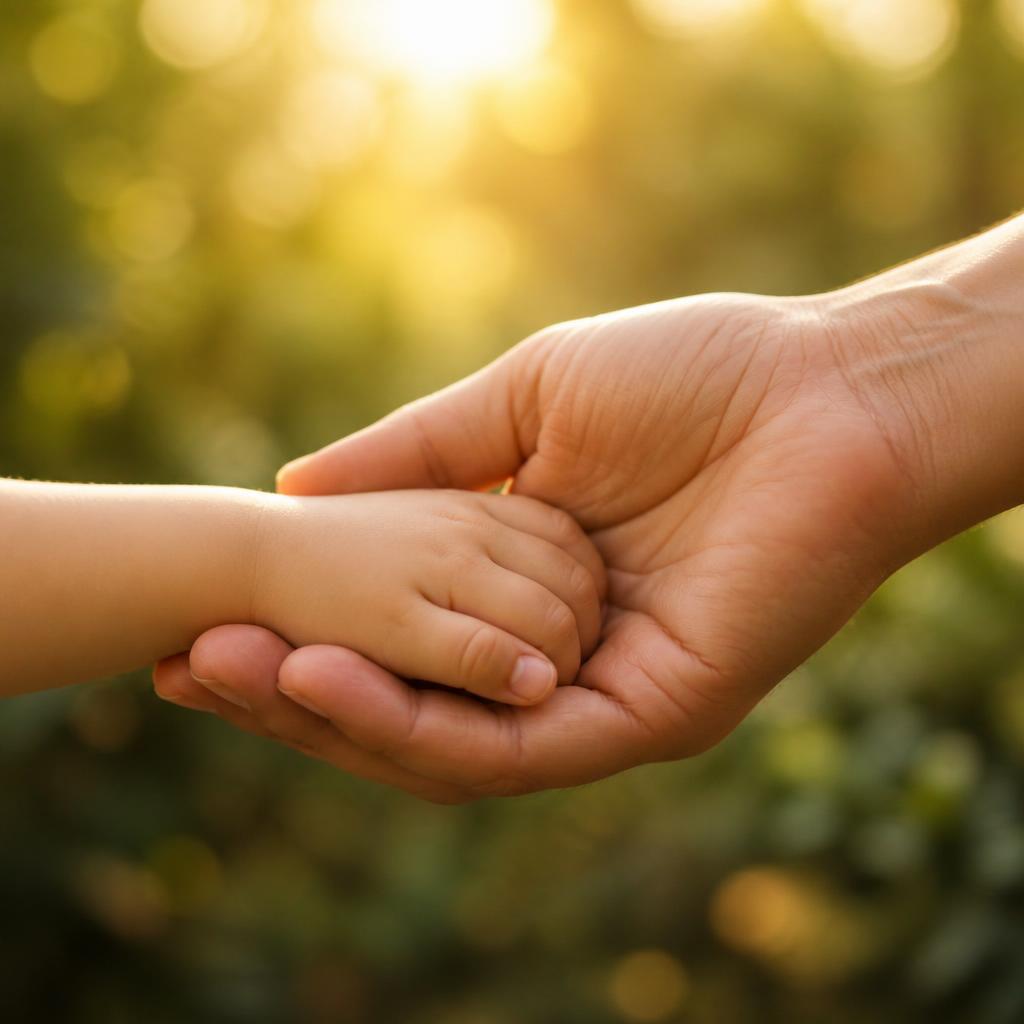
It took me years to understand something that now feels so simple:
I can come from a good, loving, healthy family and still have things from my childhood that I need to heal from.
For a long time, I didn't believe I was allowed to say that.
I have parents whom I deeply love and respect. They are incredible people and wonderful role models. I grew up knowing that I was loved.
And because of that, I struggled to acknowledge the things from my childhood that had been hard for me.
Somewhere along the way, I had created a rule for myself:
If I acknowledge that something from my childhood hurt me, I am blaming my parents for hurting me.
I didn't want to be ungrateful. I didn't want to be disrespectful. And I didn't want my experience to somehow diminish everything my parents had done right.
So for a very long time, I didn't give myself permission to fully explore my own story.
When I was 15, my family moved to a different side of town.
It happened on my fifteenth birthday, and the move was incredibly difficult for me. It changed friendships, routines, my sense of belonging, and many parts of my life at an age when those things mattered enormously.
But my parents had good reasons for moving. They didn't make the decision carelessly, and they did everything they could to make the transition easier for me.
So how could I say the move had hurt me when they hadn't done anything wrong?
Eventually, I realized I was asking the wrong question.
The question wasn't:
"Did my parents do something wrong?"
It was:
"How did this experience affect me?"
I didn't need someone to be at fault in order to grieve what I had lost. And I didn't need to blame my parents in order to understand how the experience had shaped me.
There was another part of my childhood that took me even longer to understand.
I grew up in a large family, and my parents worked incredibly hard to be attuned to our needs.
One of my favorite examples of this happened during my first year living away from home in another country. My mother came to visit me, by herself, simply because:
"I felt like you needed it."
It was honestly one of the highlights of my life. I felt so seen and so loved.
That's the kind of mother I have.
And still, growing up, there were times when I felt I needed more understanding, attention, or emotional connection than I was getting.
For years, I didn't know what to do with that.
If my parents were trying so hard to give me what I needed, what did it say about me that I still needed more?
So instead of thinking,
"Sometimes my needs weren't fully met,"
I concluded:
"I'm too needy."
"I need too much."
"I'm too much."
And that became part of how I saw myself.
Sometimes what we need to understand about childhood isn't simply what happened.
It's what we came to believe about ourselves because of what happened.
Children don't have the context adults have. They don't understand all the circumstances, limitations, pressures, and good intentions surrounding the decisions adults make.
They simply experience what they experience.
And then they make meaning out of it.
Maybe I'm too sensitive.
Maybe my needs are too much.
Maybe I shouldn't need this.
Those beliefs can follow us long after childhood ends. They can affect our relationships, our ability to ask for what we need, the way we respond when someone disappoints us, and even the way we talk to ourselves.
This is why exploring childhood can be so valuable.
Not because we're trying to build a case against our parents.
Because we're trying to understand ourselves.
Therapy isn't about putting our parents on trial. It's about asking:
What happened?
How did I experience it?
What did I come to believe about myself because of it?
And am I still living according to that belief today?
For years, I thought that in order for my pain to be legitimate, someone had to have done something wrong.
Now I understand:
You don't need a villain in your story in order to have a wound.
Wonderful parents can miss things.
Circumstances outside anyone's control can affect us profoundly.
And sometimes another human being—even one who loves us tremendously—simply cannot give us everything we need in exactly the way we need it.
Today, I can look back at my childhood and see the love, effort, and sacrifices my parents made.
But I can finally look at myself in that story, too.
Not to determine who was at fault.
Not to rewrite my childhood.
Not to diminish the good.
But to understand the little girl who lived it.
What did she experience?
What did she need?
What conclusions did she draw about herself?
Those questions aren't disrespectful.
They're healing.
You are allowed to explore what hurt you without deciding who hurt you.
You are allowed to understand your childhood without condemning it.
And you don't need to blame anyone in order to heal.
If you've been afraid to explore your own story because it feels disloyal, ungrateful, or unfair to the people you love, therapy can be a space to do something very different: not assign blame, but understand you.
Sometimes healing doesn't begin with blame.
It begins with permission.
Ready to rediscover your spark?
Therapy can help you reconnect with yourself in your life feels dim, and create space for real and lasting change.
Schedule a Free Consultation